

What happens to orphans when they turn 18? In most places, 18 is the age when a young person is no longer legally a child, and the care system that looked after them starts to step back. In the United States this is called “aging out” of foster care. This guide explains what the law says, what the latest official numbers show, what support exists, and how it connects to the children SAAK serves in Nigeria.
To answer what happens to orphans when they turn 18, every figure below comes from an official source, linked in the text. Facts about our own work come from SAAK’s records.
Why 18 matters: what happens to orphans when they turn 18
The United Nations Convention on the Rights of the Child, Article 1, says “a child means every human being below the age of eighteen years unless under the law applicable to the child, majority is attained earlier” (OHCHR). UNICEF uses the same line for orphans: “An orphan is a child under 18 years of age who has lost one or both parents to any cause of death” (UNICEF ICare, 2026, page 28).
So on paper, a young person stops being an “orphan” at 18, even though their need for a home, an education and people who care about them does not stop on a birthday. Article 20 of the same Convention says a child “deprived of his or her family environment” is “entitled to special protection and assistance provided by the State.” After 18, that protection depends on each country’s own laws and programs, and that gap is the heart of the question of what happens to orphans when they turn 18.

What happens to orphans when they turn 18 in the United States
Official national numbers come from the U.S. Children’s Bureau. Its AFCARS Dashboard (preliminary federal fiscal year 2025 estimates, as of February 27, 2026) reports that 169,927 children exited foster care during the year. Of those exits:
- 15,030 (9 percent) left through “emancipation,” the official term for aging out.
- 77,745 (46 percent) were reunified with their families.
- 43,380 (26 percent) were adopted.
- 17,995 (11 percent) were aged 18 to 23 when they left care.
Source: The AFCARS Dashboard, Print Version, U.S. Department of Health and Human Services. The Children’s Bureau notes these are preliminary estimates and that its counts include young people aged 0 to 23.
Put simply: in one year, about 15,000 young people in the United States left foster care through emancipation rather than through reunification, adoption or guardianship. That is the most direct answer to what happens to orphans when they turn 18 in the U.S. system: many leave state care as young adults without a permanent family arrangement.
What support exists after 18?
In the United States, a key federal program is the John H. Chafee Foster Care Program for Successful Transition to Adulthood. According to the Administration for Children and Families, it “provides funding to support youth/ young adults in or formerly in foster care in their transition to adulthood” and is funded at $143 million a year.
- What it covers: help with education, employment, financial management, housing, emotional support and “assured connections to caring adults.”
- Who can get it: youth in foster care aged 14 and older; young people in or formerly in foster care aged 18 to 21, or up to 23 in some places; and youth who left care through adoption or guardianship at 16 or older.
- Up to age 23: 31 states, the District of Columbia and Puerto Rico have chosen to provide Chafee services to young people up to 23.
- College and training: the Education and Training Voucher program can give up to $5,000 a year per young person, up to age 26, for no more than 5 years in total.
Because services “vary by State, locality and agency,” what happens to orphans when they turn 18 differs from place to place. A young person aging out should contact their local child welfare agency to find out what is available.
What happens to orphans when they turn 18 in Nigeria?
Outside the United States, the answer depends on each country’s laws and on each home. We have not found official national figures on young people leaving orphanages in Nigeria, so this article does not guess at them. What we can say comes from our own work.
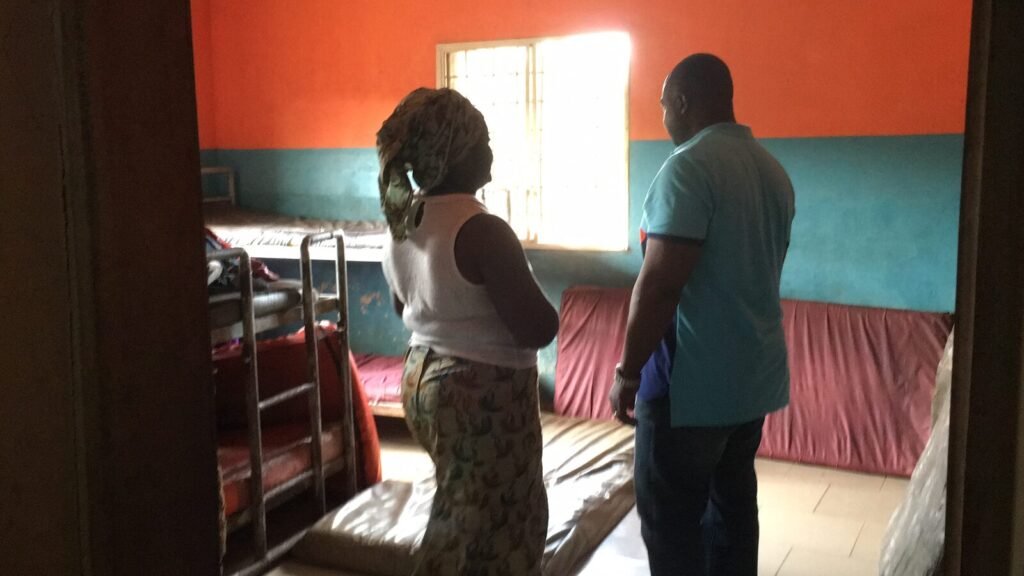
At Heaven’s Nest, a home in Nigeria for orphaned and severely disabled children, SAAK has focused on the basics that prepare children for adult life: beds and mattresses (2016), food distributions, and, with our partner JEB FOODS, a school for the children (2021). Our SAAK Children’s Campus plan describes the next step: one safe place built for children to live, learn and heal. Read the full story on our Heaven’s Nest page.

How you can help young people before they turn 18
What happens to orphans when they turn 18 depends a great deal on the years before. A child who is fed, housed and in school arrives at adulthood better prepared. SAAK’s cost to feed one child at Heaven’s Nest is about $8 a day: $56 feeds a child for a week and $240 for a month. Our year-end appeal aims to raise $2,400, enough to feed 10 children for a month.
For more background, see our articles on how many orphans there are in the world and orphans in Nigeria.
Questions about turning 18 in care
What happens to orphans when they turn 18 in foster care?
In the United States, many leave care through what officials call emancipation: 15,030 young people did so in federal fiscal year 2025, according to preliminary Children’s Bureau estimates. Some states allow young people to stay in foster care longer, and the Chafee program can support them up to 21, or 23 in some places.
Is a person still an orphan after 18?
Under the UNICEF definition, no: an orphan is a child under 18 who has lost one or both parents. The loss and its effects, of course, continue, which is why what happens to orphans when they turn 18 matters so much.
Can young people get help with college after foster care?
Yes. The federal Education and Training Voucher program can provide up to $5,000 a year, up to age 26, for no more than 5 years in total.
Sources: OHCHR, Convention on the Rights of the Child (Articles 1 and 20); UNICEF, “ICare: International Classification of Alternative Care of Children” (2026); U.S. Children’s Bureau, The AFCARS Dashboard, Print Version (preliminary FFY 2025 estimates as of February 27, 2026); Administration for Children and Families, John H. Chafee Foster Care Program for Successful Transition to Adulthood.