
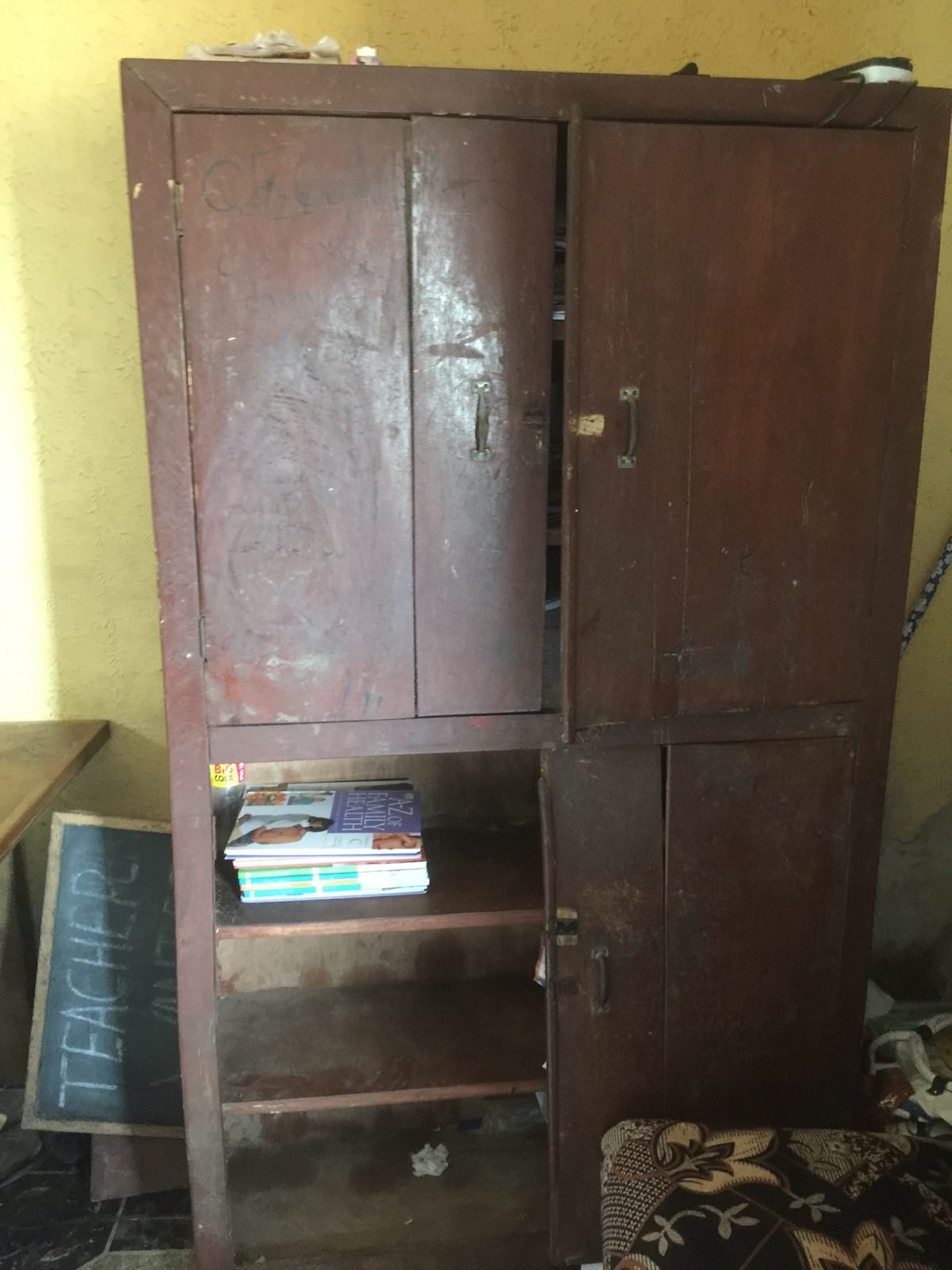
Education in Nigeria is officially free and compulsory at primary level, yet Nigeria has more children out of school than almost anywhere else. According to UNICEF, one in every five of the world’s out-of-school children is in Nigeria. This guide sets out the latest official figures, the main problems of education in Nigeria, and what helps children, including orphans, stay in school and learn.
Education in Nigeria at a glance
These figures come from UNICEF Nigeria unless another source is named:
- About 10.5 million children aged 5 to 14 are not in school, even though primary education is officially free and compulsory.
- Only 61 percent of children aged 6 to 11 regularly attend primary school.
- Only 35.6 percent of children aged 36 to 59 months receive early childhood education.
- In the north, the primary net attendance rate is 53 percent.
- In the north-east and north-west, female primary net attendance rates are 47.7 percent and 47.3 percent, meaning more than half of girls there are not in school.
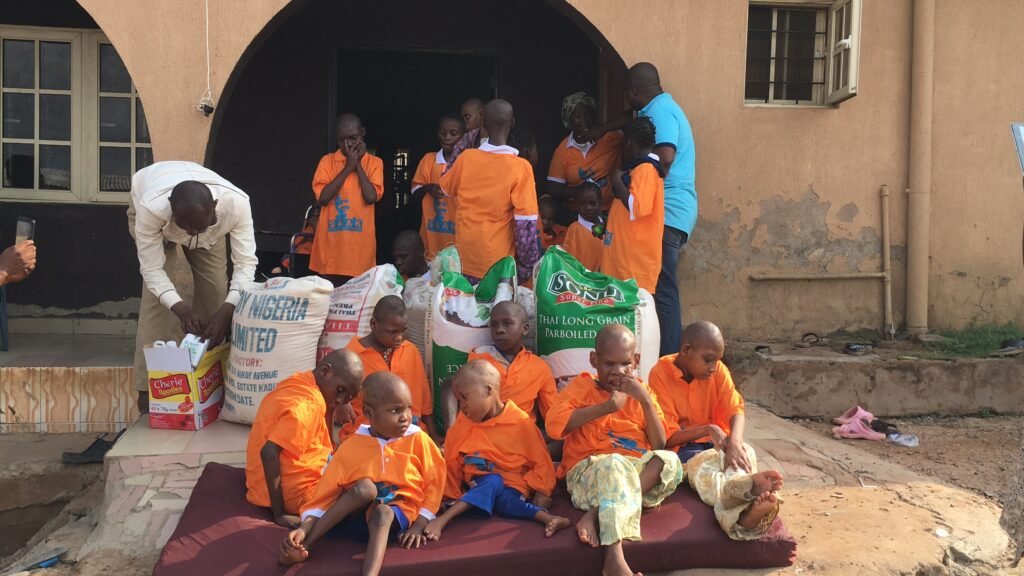
Out-of-school children in Nigeria
The number of out-of-school children in Nigeria is the clearest sign of the problem. UNICEF lists several reasons, including economic barriers and social norms that discourage attendance, especially for girls, along with the challenge of reaching rural areas and the impact of insurgency in the north-east.
UNICEF also explains that in the north-eastern and north-western states, 29 percent and 35 percent of Muslim children respectively receive Qur’anic education, which does not include basic skills such as literacy and numeracy. The government counts children attending only such schools as officially out of school.
Conflict and education in the north-east
In north-eastern Nigeria, UNICEF reports that 2.8 million children need education-in-emergencies support in the three conflict-affected states of Borno, Yobe and Adamawa. At least 802 schools remain closed, at least 496 classrooms have been destroyed, and another 1,392 are damaged but repairable.
Girls and education in Nigeria
UNICEF describes gender, like geography and poverty, as an important factor in who misses out on education in Nigeria. In the north-east and north-west, female primary net attendance rates are 47.7 percent and 47.3 percent, so more than half of girls there are not in school. UNICEF links this to economic barriers and to social norms and practices that discourage formal education, especially for girls.
UNICEF’s own priorities include a focus on the most marginalized girls and boys. For donors, supporting girls’ schooling is one of the clearest ways to help close the gap.
Problems of education in Nigeria: learning, not just attendance
Getting children into a classroom is only the first step. UNICEF’s April 2026 report Foundational Literacy and Numeracy in Nigeria describes stark gaps in basic reading and maths. In Lagos, the functional literacy rate for children who complete Grade 5 is 89 percent. In Sokoto it is just 14 percent.
Early learning is another gap. Nigeria’s Multiple Indicator Cluster Survey 2021, run by the National Bureau of Statistics with UNICEF, found that 38 percent of children aged 3 to 4 attend early childhood education programmes.
Why this matters for orphans
Orphans and vulnerable children face the same barriers as every other child. A child who has lost a parent may also have one less adult to cover school costs and encourage attendance, which is why school support is part of SAAK’s work. In Nigeria, 7.9 percent of children aged 0 to 17 have lost one or both parents, according to the same 2021 survey. You can read more in our guide Orphans in Nigeria: The Facts and How You Can Help.
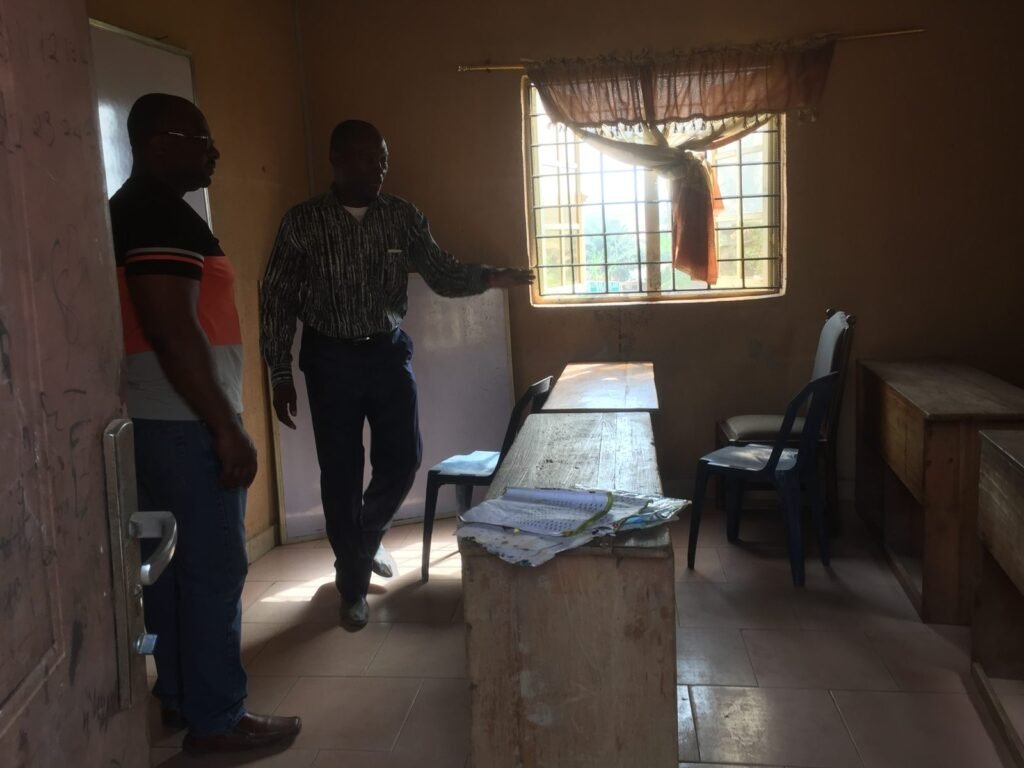
What helps: UNICEF’s priorities for schools in Nigeria
UNICEF Nigeria says it aims to help more children, including adolescents and the most disadvantaged, take part in quality education, learn and gain skills for the future. Its priorities include:
- strengthening systems and capacity for inclusive and equitable education;
- improving governance and transparency, and advocating for public financing in education;
- expanding access from pre-primary through secondary education;
- rapidly improving learning outcomes and reducing the number of out-of-school children;
- supporting data and evidence, innovation and partnerships at federal, state and local levels; and
- focusing on the most marginalized girls and boys, including in humanitarian and fragile settings.
How SAAK supports education in Nigeria
Education has been part of SAAK’s work at Heaven’s Nest, our partner orphanage in Nigeria, for years:
- 2018: our largest distribution so far included educational materials, along with food, clothing and medical supplies, for orphanage homes across Nigeria.
- 2021: with JEB FOODS, SAAK helped build and open a school at Heaven’s Nest, and celebrated its opening with a full supply distribution of food, clothing and educational materials.
- 2023: we partnered with local organizations to expand mentoring and life skills programs for vulnerable children.
- Looking ahead: the SAAK Children’s Campus, now at the concept stage, includes plans for a primary school with classrooms, a library and ICT in Benin City, Edo State.
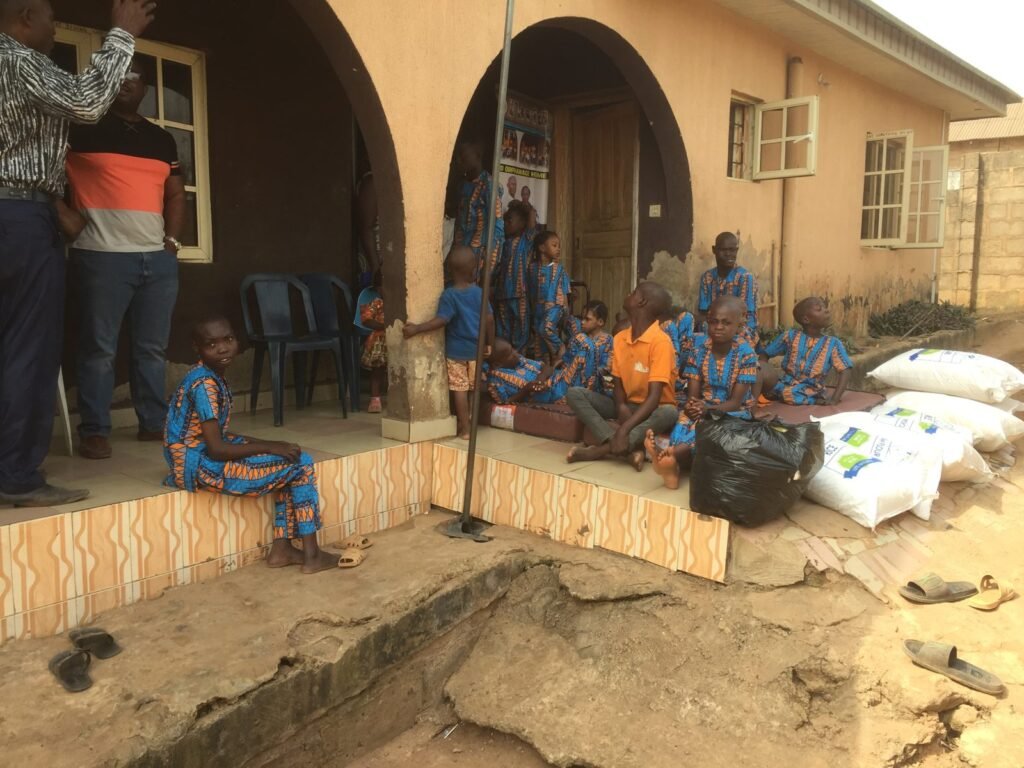
How you can help a child stay in school
- Give toward school support. Gifts help pay for food, which keeps children healthy enough to learn, and for school materials.
- Give monthly. Learning happens every day, and steady support lets our partner plan ahead.
- Share reliable information. Share this guide so more people understand the problems of education in Nigeria.
- Choose an accountable charity. Read our guide How to Donate to Orphans Safely before you give anywhere.
Frequently asked questions about education in Nigeria
How many children are out of school in Nigeria?
UNICEF Nigeria reports that about 10.5 million children aged 5 to 14 are not in school, and that one in every five of the world’s out-of-school children is in Nigeria.
Is education free in Nigeria?
UNICEF Nigeria states that primary education is officially free and compulsory. Families can still face costs and other barriers, which is one reason so many children are out of school.
What are the main problems of education in Nigeria?
According to UNICEF, the main problems include large numbers of out-of-school children, lower attendance in the north and among girls, conflict in the north-east, and wide gaps in basic literacy and numeracy between states.
Help a child learn
Your gift supports children at Heaven’s Nest, where SAAK helped open a school in 2021. Choose a one-time or monthly gift on our secure Donate page.
Sources
- UNICEF Nigeria, Education.
- UNICEF Nigeria, Foundational Literacy and Numeracy in Nigeria: A Landscape Analysis (April 2026).
- National Bureau of Statistics and UNICEF, Nigeria Multiple Indicator Cluster Survey 2021: Statistical Snapshots (early childhood education) and Table SR.11.1 (orphanhood).
Figures checked on October 24, 2026. SAAK program facts come from our own records and public pages.