
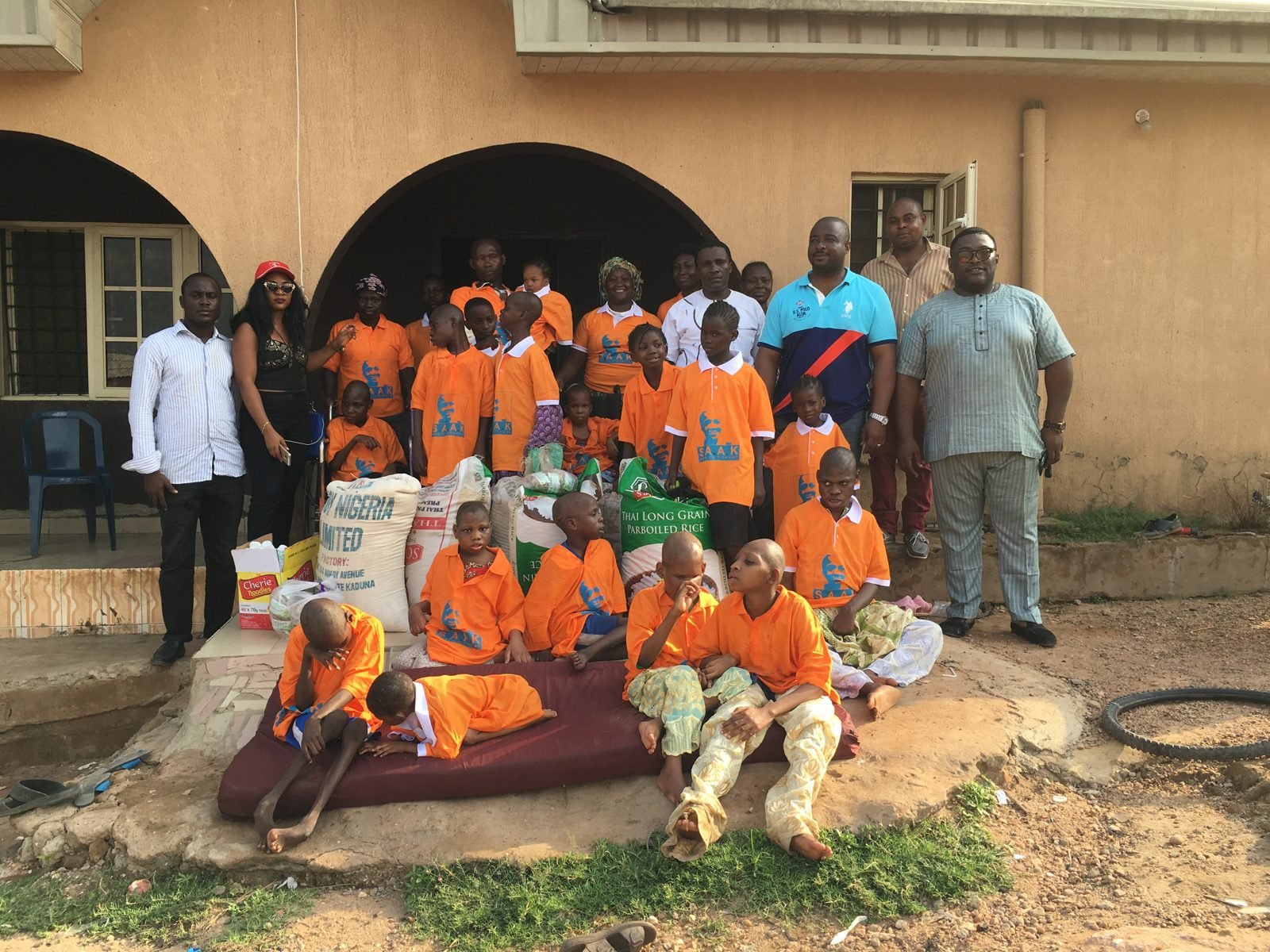
African orphans are often described with one large number and one sad photograph. The real picture is more useful, and more hopeful, when you look at the data. This guide explains how many orphans there are in Africa according to UNICEF, what the word “orphan” actually means in those figures, how orphanages in Africa fit into children’s care, and practical ways you can help.
Save All Africa Kids (SAAK) has supported Heaven’s Nest, an orphanage in Nigeria that cares for orphaned and severely disabled children, since 2010. Where this guide talks about our own work, the facts come from our records. Every other figure is linked to its official source.
How many orphans are there in Africa?
UNICEF’s latest estimates, updated in August 2026, put the number of orphans worldwide at 151 million children aged 0 to 17. Of these, an estimated 13.5 million lost one or both parents to an AIDS-related cause in 2025, and about three quarters of them, 9.8 million, live in sub-Saharan Africa (UNICEF Data: AIDS-related orphanhood).
We did not find a single current official count of all orphans in Africa on UNICEF’s pages, so we do not give one. What the figures above show clearly is that sub-Saharan Africa carries most of the world’s AIDS-related orphanhood, and that the number of orphans in Africa is counted in the millions.
What “orphan” means in these numbers
In UNICEF’s figures, an orphan is a child aged 0 to 17 who has lost one or both parents. Many African orphans therefore still live with a surviving mother or father, or with grandparents and other relatives. Nigeria’s national household survey shows this well. In the Multiple Indicator Cluster Survey 2021, 7.9 percent of children had lost one or both parents, but only 0.7 percent had lost both. Of the children not living with either biological parent, 90.8 percent lived in a household headed by a family member.
So when you read about orphans in Africa, picture many different situations: a child living with a widowed mother, a teenager raised by a grandmother, and a smaller number of children with no family able to care for them at all. The last group is the one most likely to need a children’s home.
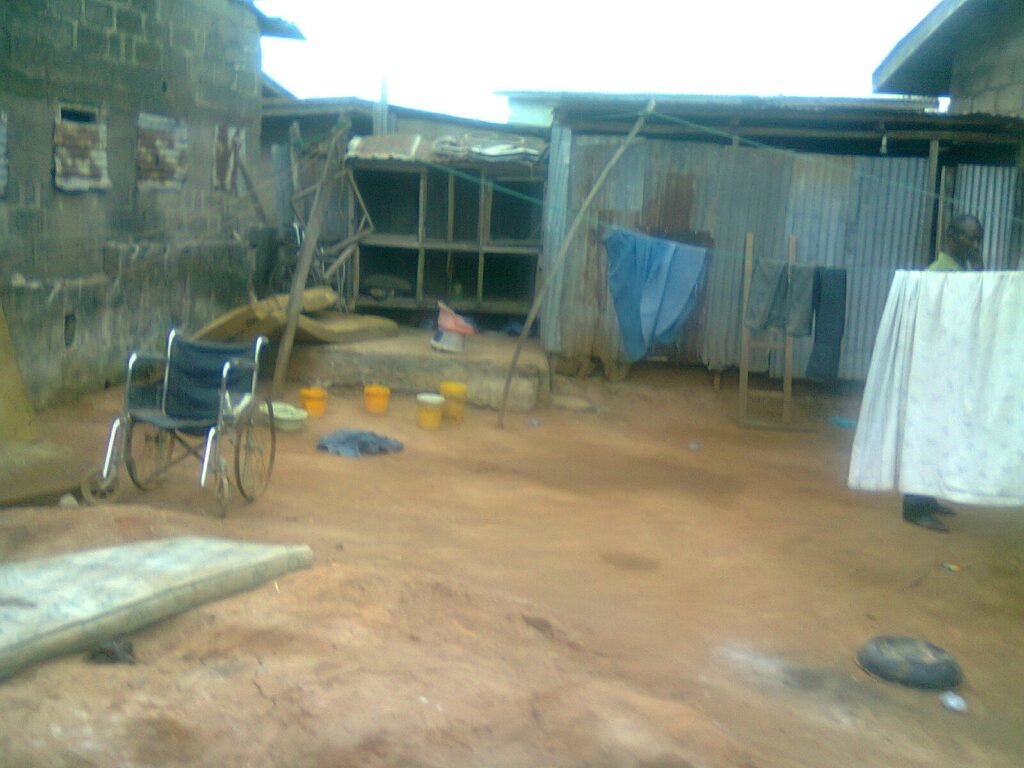
Why are there so many orphans in Africa?
The UNICEF data points to one major cause in sub-Saharan Africa: HIV and AIDS. Three quarters of the children worldwide who have lost a parent to an AIDS-related cause live in the region. UNICEF also reports that a growing number of countries are developing national action plans for orphans and other vulnerable children.
Children lose parents for many other reasons too, including illness, accidents and conflict. The sources we checked for this guide do not break those causes down for Africa as a whole, so we do not put numbers on them here.
Orphanages in Africa: what the evidence says
According to UNICEF, an estimated 2 million children worldwide were living in residential care in 2025. UNICEF notes that most children without parental care live in family-based care, such as with relatives or foster families, and that residential institutions are often characterized by harmful living arrangements, with wide recognition of their adverse impact on children’s development and well-being.
The UN Guidelines for the Alternative Care of Children, welcomed by the UN General Assembly in 2009, encourage keeping children with their families wherever possible. When that is not in a child’s best interest, they list a range of options: kinship care, foster care, other family-based or family-like care, residential care and supervised independent living. Alternative care should be used only when necessary, in forms that promote the child’s well-being.
Nigeria has followed the same direction. In July 2024 the Federal Ministry of Women Affairs, supported by UNICEF and SOS Children’s Villages, published the National Guidelines for the Alternative Care of Children in Nigeria, a framework for standard services for vulnerable children without appropriate care.
What this means for people who support orphanages in Africa
In our view, the lesson is not that every orphanage is bad. Some children, such as children with severe disabilities who have been abandoned, may have no family able to care for them. The lesson is that good care matters more than the building. A home that deserves support should be able to show stable, caring adults, safe sleeping space, regular meals, health care, schooling and a clear commitment to children’s rights and privacy.
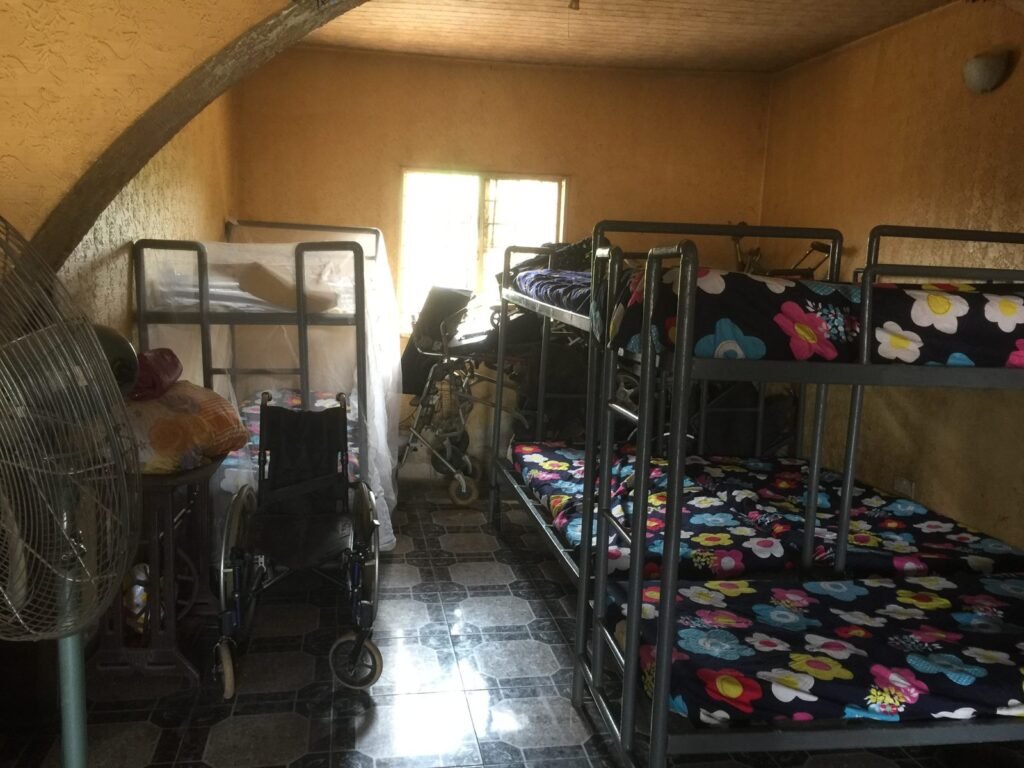
A real example: Heaven’s Nest in Nigeria
Heaven’s Nest is an orphanage in Nigeria that cares for orphaned and severely disabled children who have been abandoned or whose parents have died. When our founding family first visited in 2010, children were living on bare floors in dark, unfinished rooms, with inadequate sanitation. That visit is why SAAK exists.
- 2016: SAAK provided new bunk beds with mattresses and held food distributions at the orphanage.
- 2018: our largest distribution so far brought food, clothing, medical supplies and educational materials to orphanage homes across Nigeria.
- 2021: with JEB FOODS, SAAK helped build and open a school at Heaven’s Nest.
- 2023 and 2024: mentoring and life skills programs with local partners, and a winter food drive with meals and clean water.
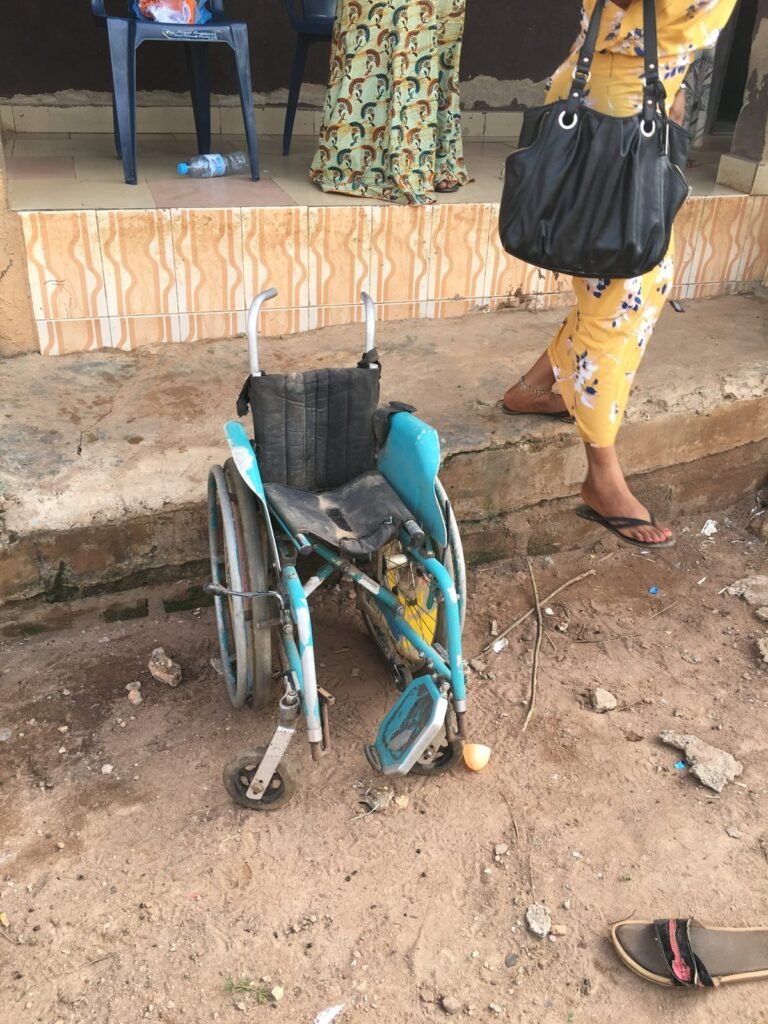
How to help African orphans
If you want to help orphans in Africa, these steps will make your support count:
- Choose an accountable charity. Check that it is registered, read its public filings and ask what your gift pays for. SAAK’s filings are on ProPublica’s Nonprofit Explorer.
- Support care, not just buildings. Food, health care, school and caring adults change a child’s daily life.
- Help families as well as homes. Most orphans live with relatives, so support that reaches families and communities matters.
- Give regularly if you can. Children need food every day. At Heaven’s Nest it costs SAAK about $8 a day to feed one child, so a monthly gift lets our partner plan ahead.
- Protect children’s privacy. Be wary of appeals that publish children’s names, medical details or private stories.
For a closer look at Nigeria, read our guide Orphans in Nigeria: The Facts and How You Can Help, and see all our guides on the Articles page.
Frequently asked questions about orphans in Africa
How many orphans are in Africa?
UNICEF estimates 151 million orphans worldwide. Of the 13.5 million children who lost a parent to an AIDS-related cause, 9.8 million live in sub-Saharan Africa. We have not found a current official total for all orphans in Africa.
Do most African orphans live in orphanages?
No. UNICEF reports that most children without parental care live in family-based care, and in Nigeria 90.8 percent of children not living with a biological parent live in a household headed by a family member.
Is it good to donate to an orphanage in Africa?
It can be, when the home provides good care, works within its country’s rules and can show how your money is used. Ask questions before you give, and prefer charities that report back with dates and evidence.
Help a child at Heaven’s Nest
Your gift helps African orphans at Heaven’s Nest eat, learn and grow. Choose a one-time or monthly gift on our secure Donate page.
Sources
- UNICEF Data, AIDS-Related Orphanhood (last update August 2026).
- UNICEF Data, Children in alternative care (last update July 2026).
- National Bureau of Statistics and UNICEF, Nigeria Multiple Indicator Cluster Survey 2021, Tables SR.11.1 and SR.11.3.
- UNICEF Nigeria, National Guidelines for the Alternative Care of Children in Nigeria (July 2024).
Figures checked on October 24, 2026. SAAK program facts come from our own records and public pages.