
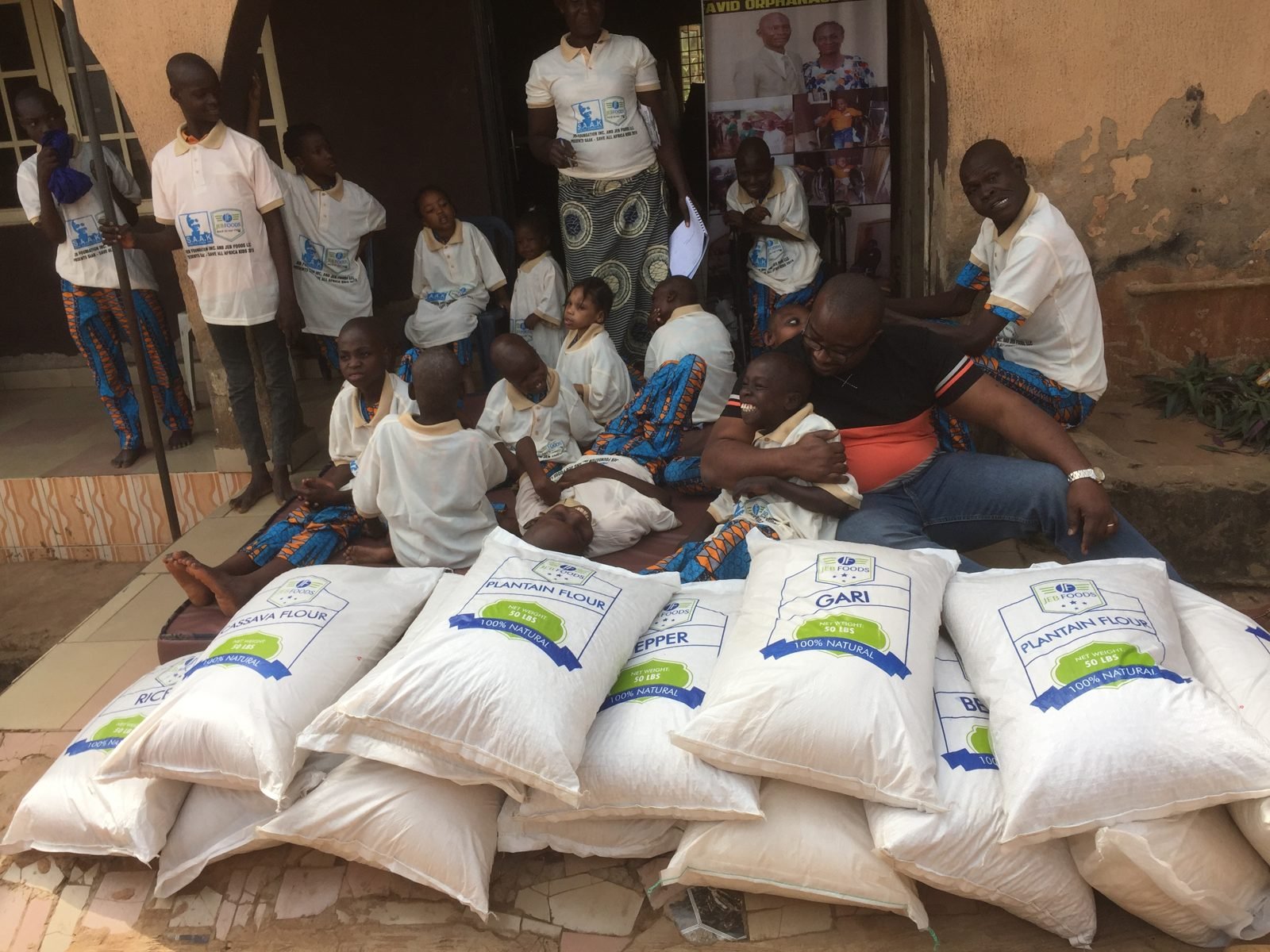
If you want to donate to orphans, you want your gift to reach a child, not a scammer, and you want it to do lasting good. This guide brings together the checks the U.S. Federal Trade Commission (FTC) recommends before giving to any charity, what international child-care guidance says about orphanages, and the questions we think every donor should ask. At the end, we show how SAAK answers those same questions.
Before you donate to orphans: four checks from the FTC
The FTC’s guide Before Giving to a Charity lists four things to do before you donate:
- Search online for the cause and the charity. Look up the charity’s name together with words like “complaint”, “review”, “rating”, “fraud” or “scam”. If you find bad reviews, the FTC suggests considering another organization.
- Check the charity’s website. It should explain its programs and how it uses donations. The FTC advises being suspicious if you cannot find detailed information about a charity’s mission and programs.
- Check that the charity and its fundraisers are registered. Most states require charities and their fundraisers to register with the state charity regulator.
- Check whether your gift is tax deductible. If that matters to you, confirm the organization is tax-exempt using the IRS Tax Exempt Organization Search.
How to pay when you donate to an orphan charity
The FTC is clear about payment methods. If a charity says the only way to pay is by cryptocurrency, wiring money through Western Union or MoneyGram, a payment app or a gift card, it is likely a scam. The FTC calls credit card or check the safest way to donate, and warns that a charity that does not accept checks or credit cards is likely a scam.
- When giving online, make sure the payment page address starts with “https”. The FTC notes that encryption alone does not prove a site is legitimate.
- After you give, check your bank and card statements for the right amount, and make sure you did not sign up for a recurring gift by mistake.
- Keep a record of every donation. You may need it at tax time.
Red flags: how to avoid a fake orphan charity
Appeals about children pull at the heart, and scammers know it. The FTC’s advice on avoiding fake charities applies directly when you donate to orphans:
- Do not rush. Scammers try to rush you so you have no time to research their claims.
- Do not trust caller ID. The FTC warns that caller ID can be faked to look local or to look like a real organization.
- Stop and check if someone says you already pledged. Callers and mailers may falsely claim you gave before, hoping you will give again.
- Write down the charity’s exact name and research it. Some scammers use names that sound like real charities.
- Watch for sentimental claims with few details. Be suspicious of vague, emotional stories with no specifics about programs.
If someone calls asking you to donate
The FTC suggests asking the caller for the charity’s exact name, website and mailing address; how much of your donation will go directly to the program you want to help; what else the charity spends money on; and whether the organization is a charity or a political action committee. The caller is most likely a paid fundraiser, so the FTC suggests calling the charity directly to check the answers. Donations to political action committees are not tax deductible.
If anyone contacts you asking for money in SAAK’s name and you are unsure, please contact us before you give.
Questions to ask before you donate to an orphanage
Checking that a charity is real is the first step. The next is checking that your money will do good. These are the questions we would ask any orphan charity, including our own:
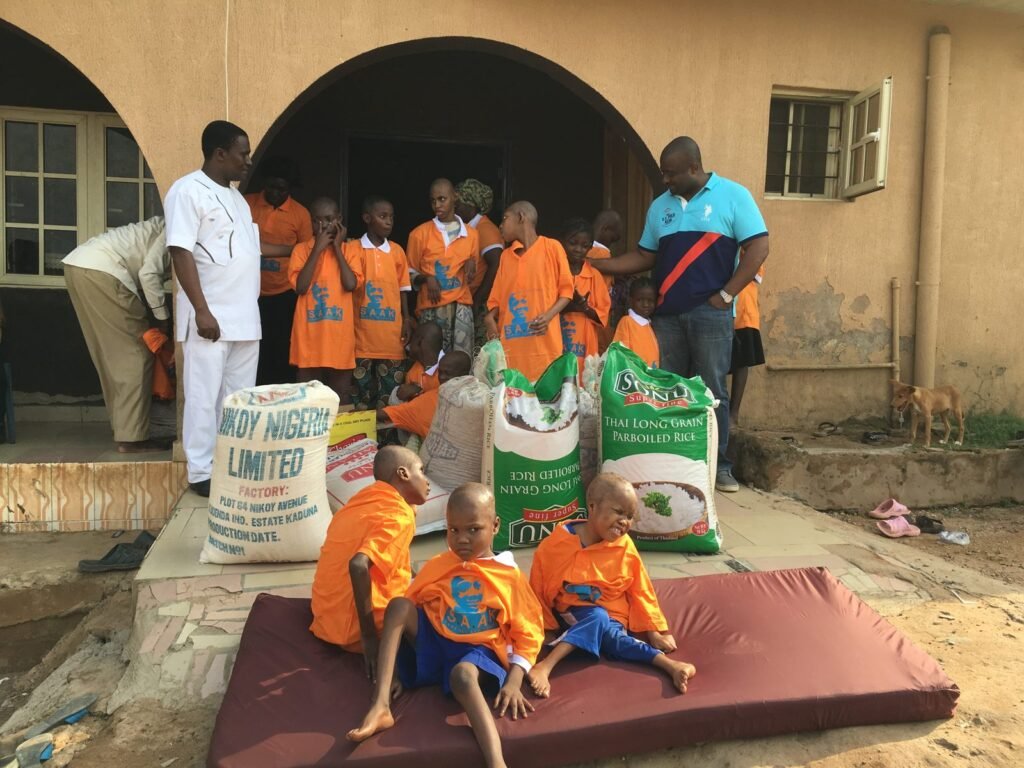
- Who receives the money, and where? A good charity names its partner homes or programs and the country they are in.
- What does a gift buy? Look for plain costs, such as how much it costs to feed a child for a day.
- How do you report back? Ask for dated updates, photos of activities and public tax filings.
- How do you protect children? A responsible charity does not publish children’s personal records or private stories.
- Do you support families as well as homes? International guidance favors keeping children with families when that is in their best interest.
What the evidence says about orphanages
Many people who donate to an orphanage are surprised to learn how care is changing. UNICEF estimates that about 2 million children worldwide were living in residential care in 2025, and that most children without parental care live in family-based care. UNICEF notes that residential institutions are often characterized by harmful living arrangements, with wide recognition of their adverse impact on children’s development and well-being.
The UN Guidelines for the Alternative Care of Children, welcomed by the UN General Assembly in 2009, encourage efforts to keep children with their families where possible, and to use alternative care only when necessary and in forms that promote the child’s well-being. Residential care is one of the options the Guidelines list, alongside kinship care and foster care.
For donors, our view is simple: support homes that give children stable, caring adults, good food, health care and school, and that work within their country’s rules. Be cautious with any appeal that treats children as an attraction rather than as people with a right to privacy.
Monthly or one-time: which helps orphans more?
Both help. A one-time gift can pay for a food delivery or school supplies. A monthly gift lets a partner orphanage plan meals and supplies ahead, because children need food every day, not only when an appeal goes out. If you can give monthly, it is one of the most useful ways to donate to orphans.
How SAAK answers these questions
Save All Africa Kids (SAAK) is the registered alternate name of JEB Foundation, Inc., a New Jersey nonprofit corporation and 501(c)(3) charity, EIN 45-5431445. Here is how we measure up against the checks above:
- Registered: we are a 501(c)(3) charity you can find in the IRS Tax Exempt Organization Search, and in 2026 we completed registration with the New Jersey Office of the Attorney General Charities Registration.
- Public filings: our filings are on ProPublica’s Nonprofit Explorer, and our Candid profile carries a Gold Transparency 2026 seal.
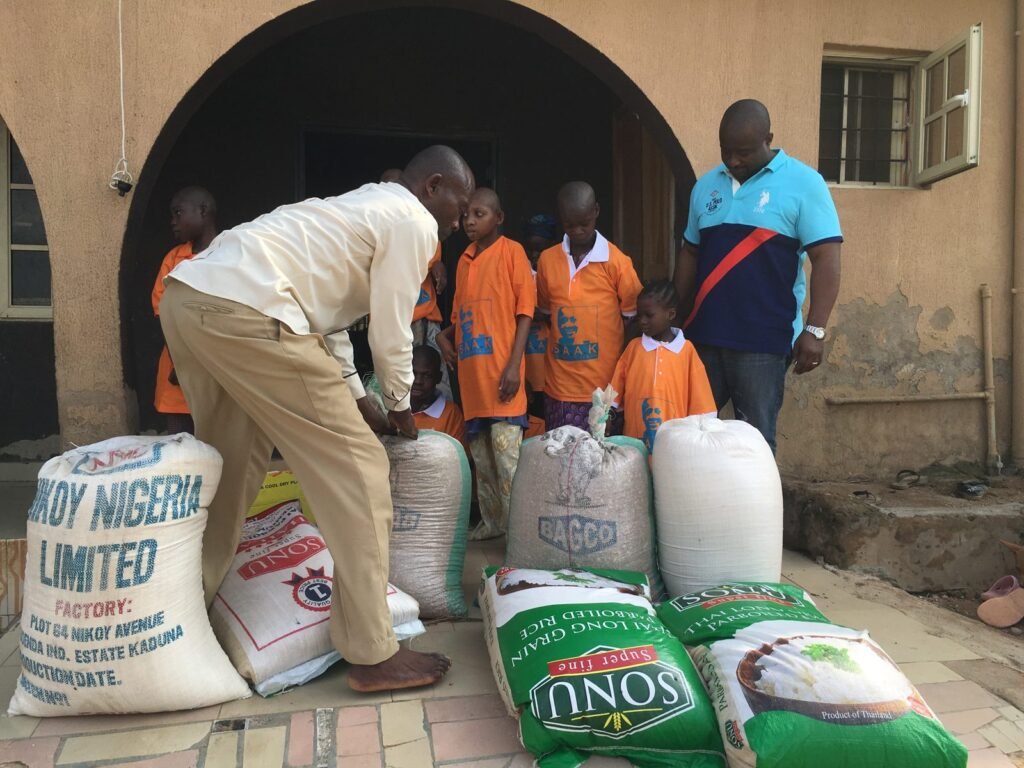
- Who receives the money: our primary partner since 2010 is Heaven’s Nest, an orphanage in Nigeria that cares for orphaned and severely disabled children.
- What a gift buys: it costs SAAK about $8 a day to feed one child at Heaven’s Nest, so $24 feeds a child for three days, $56 for a week and $240 for a month.
- How we pay out and report: our officers serve without pay, and we post updates on our News page and in our videos.
- How you pay: our Donate page sends you to PayPal’s secure donation page, where you can give once or every month.
Frequently asked questions about donating to orphans
Is my donation to SAAK tax deductible?
SAAK is a 501(c)(3) public charity, so donations from U.S. taxpayers are generally tax deductible as allowed by law. Please check with your tax adviser about your own situation.
Can I donate food, clothes or toys instead of money?
SAAK’s Donate page accepts gifts of money. We have not opened a program for donated goods. A money gift lets our partner buy what the children need when they need it.
How can I help orphans if I cannot give money?
Share reliable information, such as this guide or our article African Orphans: The Facts About Orphans in Africa and How to Help, follow our updates, or contact us to ask how your skills could help. See more ideas on our Ways to Help page.
Donate to orphans at Heaven’s Nest
Ready to give? Every gift helps a child at Heaven’s Nest eat, learn and grow.
Sources
- Federal Trade Commission, Before Giving to a Charity.
- Internal Revenue Service, Tax Exempt Organization Search.
- UNICEF Data, Children in alternative care (last update July 2026).
- ProPublica, Nonprofit Explorer: JEB Foundation Inc; Candid, Jeb Foundation Inc profile.
Checked on October 24, 2026. SAAK facts come from our own records and public pages.