
How many orphans in the world are there today? According to UNICEF, about 151 million children aged 0 to 17 had lost one or both parents in 2025. That is UNICEF’s latest global estimate, published on its data site in August 2026. This guide explains how many orphans in the world UNICEF counts, what that number means, where orphans live, why the figure is often misunderstood, and what actually helps.
Save All Africa Kids (SAAK) has supported orphaned children at Heaven’s Nest, a home in Nigeria, since 2010. Global figures in this article come from UNICEF and the UN; facts about our own work come from SAAK’s records.
How many orphans in the world: the latest UNICEF figure
UNICEF’s orphanhood page, last updated in August 2026, gives this headline: “Of the 151 million orphans (0-17 years) globally, 13.5 million [10.3 million-18.1 million] lost one or both parents due to an AIDS-related cause in 2025.” (UNICEF DATA, AIDS-Related Orphanhood.)
Three key facts from the same source:
- 151 million children aged 0 to 17 worldwide had lost one or both parents in 2025.
- About 9 percent of them lost a parent to an AIDS-related cause (13.5 million children).
- 39 percent of all orphans live in sub-Saharan Africa. By our own calculation, 39 percent of 151 million is roughly 59 million children.
How is the number estimated?
How does UNICEF know how many orphans in the world there are? Its orphan figures sit within its HIV and AIDS data, which draws on country estimates built each year with the Spectrum AIDS Impact Model (supported by UNAIDS, WHO and UNICEF) and on nationally representative surveys such as MICS and DHS. Because these are modelled estimates, UNICEF gives ranges: the AIDS-related figure of 13.5 million could be anywhere from 10.3 million to 18.1 million.
What counts as an orphan?
The answer to how many orphans in the world depends on the definition. UNICEF’s 2026 International Classification of Alternative Care of Children says: “An orphan is a child under 18 years of age who has lost one or both parents to any cause of death.” (UNICEF ICare, 2026, page 28.)
Two things follow from that definition. First, the 151 million includes children who lost only one parent, so many of these children still have a living mother or father. Second, it covers everyone under 18; the United Nations Convention on the Rights of the Child defines a child as “every human being below the age of eighteen years unless under the law applicable to the child, majority is attained earlier” (OHCHR, Article 1).
Orphans and orphanages are not the same thing
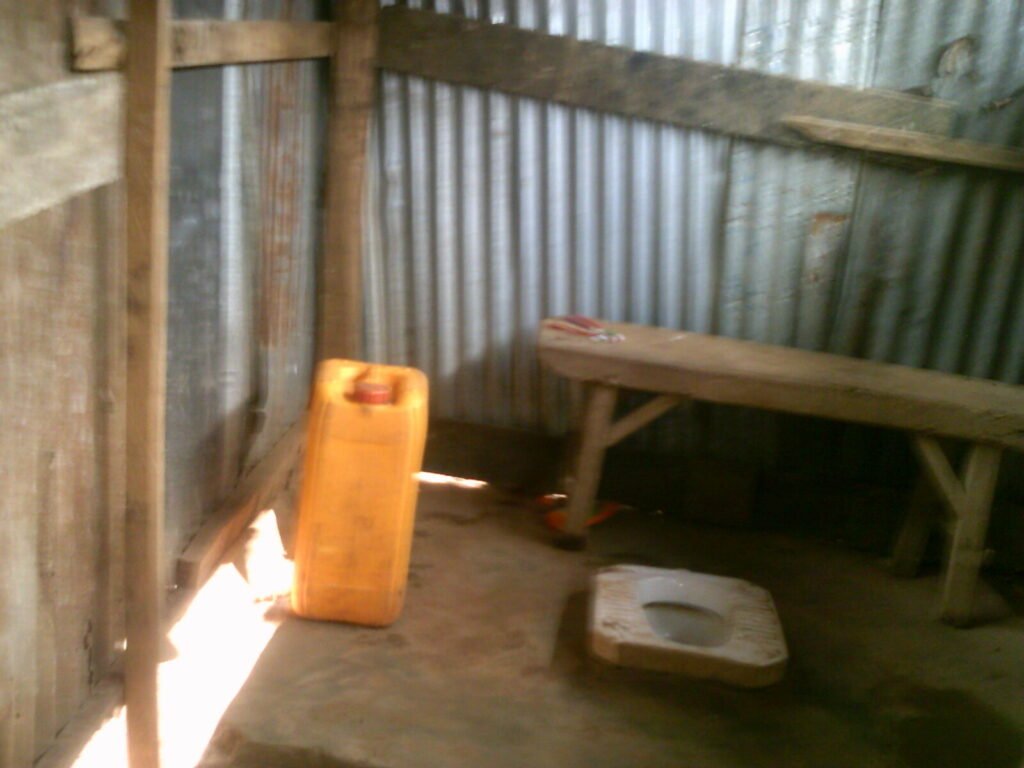
People often picture all orphans living in orphanages. The UNICEF classification describes an orphanage as “a residential facility in which groups of children, whether orphan or otherwise, are cared for by paid personnel in a non-family-based environment.” In other words, children in orphanages are not always orphans, and orphans do not always live in orphanages. So when you read how many orphans in the world there are, remember that the number counts children, not orphanage beds.
How many orphans in the world live in Africa and Nigeria
Sub-Saharan Africa carries the largest share. UNICEF reports that 39 percent of all orphans are located there, and that three quarters of children orphaned by AIDS-related causes (9.8 million) live in the region.
In Nigeria, the most recent national survey (MICS 2021, by Nigeria’s National Bureau of Statistics with UNICEF) found that 7.9 percent of children aged 0 to 17 had lost one or both parents, and 0.7 percent had lost both. Our guide to orphans in Nigeria explains those figures in detail, and our article on African orphans covers the continent.
Why the number matters for children
Behind the question of how many orphans in the world there are is a simpler one: how are they doing? UNICEF notes that orphans and other vulnerable children “are at higher risk of missing out on schooling, living in households with less food security, and suffering from anxiety and depression.” It adds that their experiences differ widely, depending on their caregivers, household wealth, their community and other factors.
UNICEF also describes a minimum package of support that includes “access to services such as education, health care, social welfare and protection.” Food, school and steady care are the basics, which is why so much help for orphans focuses on them.

From 151 million to one child: how SAAK helps
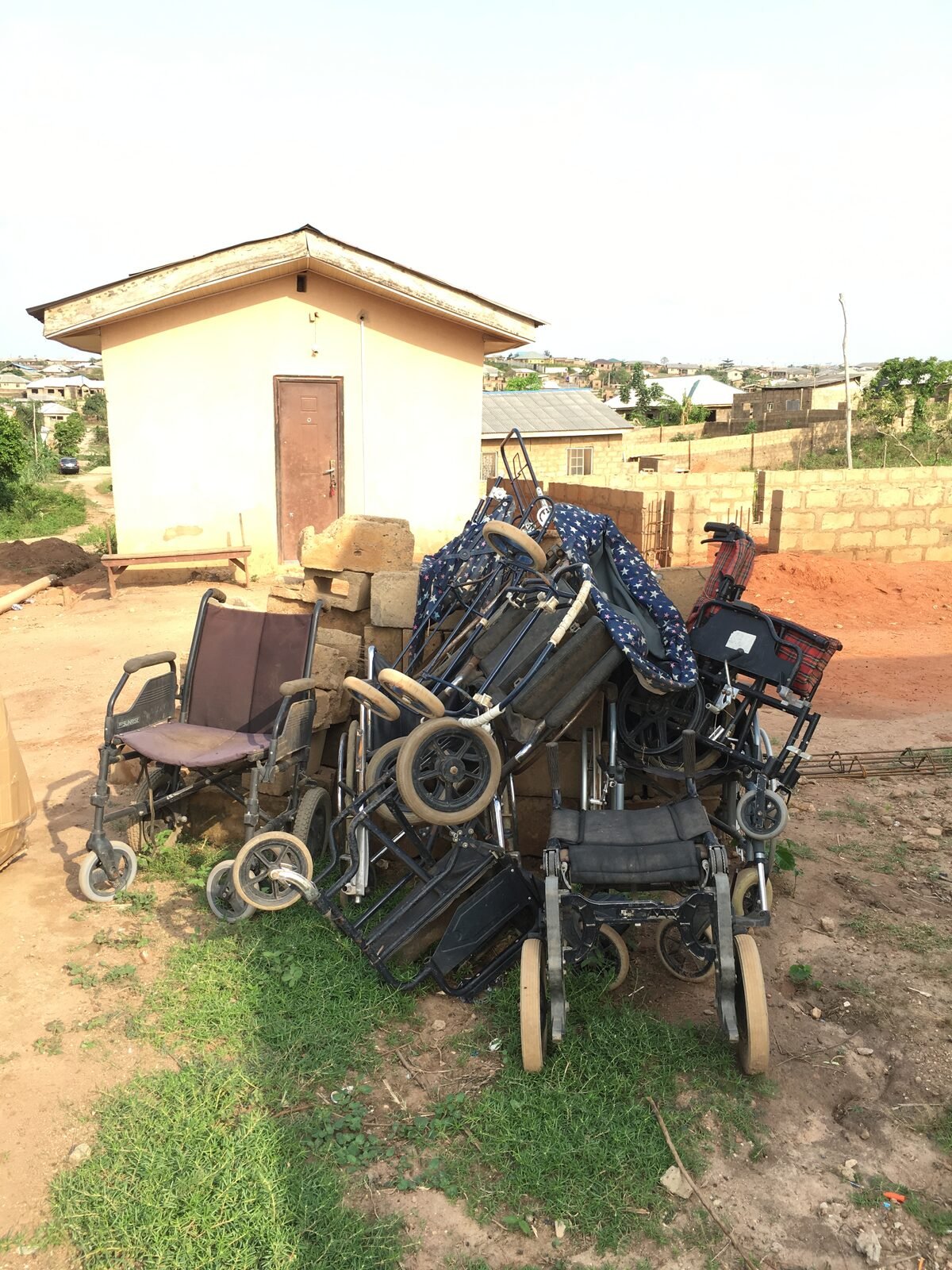
Knowing how many orphans in the world there are is a starting point, and a number as large as 151 million can feel overwhelming. Help still happens one child at a time. At Heaven’s Nest, a home in Nigeria for orphaned and severely disabled children, SAAK has provided bunk beds with mattresses (2016), food distributions, and, with our partner JEB FOODS, a school for the children (2021). Read the full story on our Heaven’s Nest page.
SAAK’s cost to feed one child at Heaven’s Nest is about $8 a day: $56 feeds a child for a week and $240 for a month. This year our year-end appeal aims to raise $2,400, enough to feed 10 children for a month.
Questions about orphans in the world
How many orphans in the world were there in 2025?
About 151 million children aged 0 to 17, according to UNICEF’s August 2026 update. The count includes children who lost one parent or both.
Which region has the most orphans?
Sub-Saharan Africa, which holds the largest share of how many orphans in the world there are. UNICEF reports that 39 percent of all orphans live there.
Do all orphans live in orphanages?
No. Because the definition includes children who lost one parent, many orphans still have a living parent. UNICEF also notes that children in orphanages may or may not be orphans.
Sources: UNICEF DATA, “AIDS-Related Orphanhood” (last update August 2026); UNICEF, “ICare: International Classification of Alternative Care of Children” (2026); OHCHR, Convention on the Rights of the Child; Nigeria MICS 2021.